Why Warehouse Security Guards Are Essential for Modern Distribution and Storage Facilities
Most people picture a warehouse as a quiet building filled with shelves and boxes. Trucks arrive, products are unloaded, and shipments depart at scheduled times. It sounds predictable when viewed from the outside. The reality feels far more complicated once daily operations begin. Warehouses stay busy for long hours, sometimes through the entire night. Workers move constantly between loading docks, storage areas, and inventory sections. One small mistake or security gap can create problems that spread across the whole facility before anyone notices.
Security Cameras Alone Cannot Handle Every Situation.
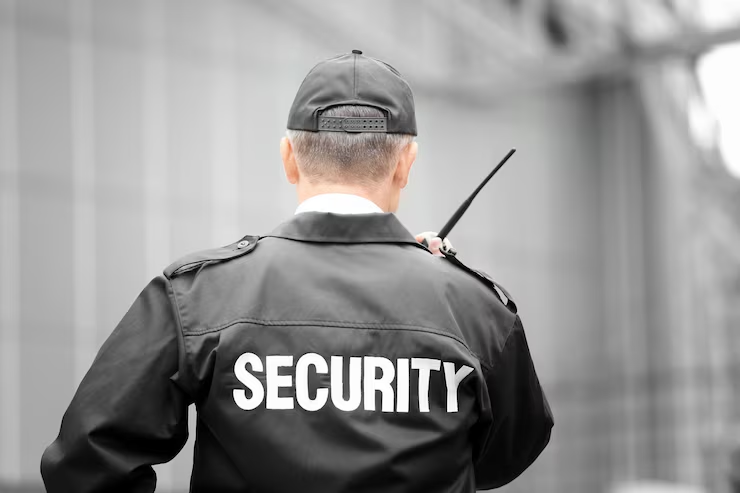
Many business owners delay hiring warehouse security guards because they assume security cameras and alarm systems already provide enough protection. That idea sounds logical at first. Still, cameras mostly record what has already happened. They do not stop someone from entering a restricted section or walking out with inventory. In some facilities, missing products remain unnoticed for days. A trained guard changes the atmosphere almost immediately. Employees become more alert. Visitors follow procedures more carefully. Even drivers tend to act differently when they know someone is actively monitoring the property.
Why Businesses Choose Vigilant Eye Security
Businesses working with Vigilant Eye Security often notice subtle improvements first. Entry points become more organized. Employees stop leaving side doors open during busy shifts. Visitor check-ins happen properly instead of casually. Those changes may not sound dramatic, though they affect daily warehouse operations more than many people expect. Security rarely improves due to a single major adjustment. Most of the time, smaller habits begin changing first, and those habits slowly create a safer environment.
Modern Warehouses Face More Risk Than Before
Modern warehouses face pressure from every direction. Online shopping pushed many distribution centers into nonstop activity. Products arrive faster than before, and shipping deadlines leave little room for mistakes. Seasonal workers also move in and out of facilities throughout the year. That constant turnover creates weak spots inside buildings where expensive inventory sits for weeks at a time. Criminal groups understand this very well. Some spend days observing loading schedules and employees’ routines before attempting to steal.
Large facilities often attract unwanted attention because they store high-demand products. Electronics, tools, retail inventory, and medical supplies can disappear quickly without proper supervision. Many warehouse theft cases do not involve dramatic break-ins either. Sometimes losses happen quietly over time. A few missing items each week may not raise concern immediately. Then inventory reports no longer match physical stock levels, and businesses suddenly realize the losses have been building for months.
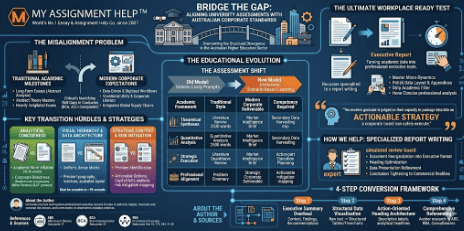
See also: Bridge the Gap: Aligning University Assessments with Australian Corporate Standards
The Daily Role of Warehouse Security Guards
This is one reason visible security matters so much.
Guards help warehouses by:
- Watching loading docks during active deliveries
- Checking visitor identification
- Monitoring employee entrances
- Reporting suspicious activity immediately
- Patrolling isolated storage areas
- Responding to disturbances before situations escalate
Internal theft also creates challenges that many companies prefer not to discuss openly. Managers often focus heavily on outside threats while overlooking risks inside the building. Yet warehouses with high employee turnover sometimes experience inventory losses tied directly to unrestricted access. A visible security presence naturally changes employee behavior. Workers follow procedures more carefully when someone actively monitors movement throughout the property.
Access Control Keeps Warehouses Organized
Access control becomes another major issue inside large distribution facilities. Some warehouses have several entry points operating simultaneously. Delivery drivers use one entrance while office staff use another. Maintenance crews may arrive late at night. Temporary workers often enter through side gates during periods of seasonal demand. Tracking all that movement becomes difficult without proper supervision.
Here is where trained guards become extremely useful.
| Security Function | Why It Matters |
| ID verification | Stops unauthorized entry |
| Visitor logging | Tracks building access |
| Vehicle monitoring | Reduces suspicious activity |
| Restricted zone patrols | Protects stored inventory |
| Contractor screening | Limits internal risk |
Technology Still Needs Human Oversight
Technology helps, though it cannot fully replace human judgment. A camera may capture suspicious behavior, but it cannot question someone standing near restricted inventory for too long. Alarm systems also create limits. False alarms happen often in large facilities, especially busy ones. After repeated alerts, employees sometimes stop reacting with urgency. Guards provide immediate human response when situations feel unusual or unsafe.
Inventory tracking is closely connected to perimeter protection. Some warehouses invest heavily in video surveillance systems, yet only review footage after incidents occur. That approach leaves major gaps. Real-time monitoring creates far stronger oversight because guards can respond immediately while events unfold. Maybe someone enters through the wrong gate. Maybe a delivery vehicle remains parked longer than scheduled. Small details like these often reveal larger problems before serious losses occur.
Employee Safety Affects Daily Operations
Employee safety plays a bigger role in warehouse operations than many businesses realize. Warehouses already carry enough physical risks without adding security concerns into the mix. Forklifts move through narrow aisles all day. Drivers arrive under strict delivery deadlines. Workers handle demanding tasks for long shifts. When employees feel unsafe during overnight hours or isolated work periods, stress levels rise quickly.
Visible security changes that environment.
Workers usually feel more comfortable knowing someone remains nearby in case of an emergency. Managers also spend less time dealing with unauthorized visitors or disruptive situations. Even delivery drivers appreciate controlled loading areas with monitored access points. Some facilities report higher staff retention after improving workplace security, though many owners do not initially connect those improvements directly to security measures.
Fast Emergency Response Matters
Emergency response becomes another major factor. Warehouses cannot predict when problems will happen. Fire alarms may trigger during overnight operations. Equipment accidents can happen without warning. Arguments near loading zones sometimes escalate faster than expected. During stressful moments, confusion spreads quickly across large facilities.
Trained guards already understand evacuation routes, emergency contacts, and restricted areas before incidents happen. That preparation matters during situations where every minute counts. Without security staff nearby, warehouse supervisors often struggle to manage fast-moving issues while also protecting workers and inventory.
Clients Pay Attention to Warehouse Security
Clients notice warehouse security conditions immediately during site visits. An open loading dock or unattended entrance creates doubt very quickly. Most businesses want reassurance that their products remain protected while sitting inside storage facilities. This becomes even more sensitive for warehouses handling electronics, medical products, legal documents, or confidential shipments.
A well-monitored warehouse simply feels more trustworthy.
Security also affects reputation more than some companies expect. Clients remember organized facilities where procedures stay controlled. They also remember buildings where visitors walk through unchecked or restricted doors that remain propped open during busy hours. Small details shape long-term business confidence.
Small Security Issues Often Turn Into Bigger Problems
Many warehouse owners ignore early warning signs because operations continue moving normally on the surface. Missing inventory. Damaged fencing. Employees are entering through unsecured areas. These issues may appear minor individually, though they often point to larger weaknesses quietly developing in the background.
Problems rarely stay small forever.
Final Thoughts
Warehouse security guards help create structure, accountability, and safer daily operations inside modern distribution facilities. Their presence discourages theft, improves access control, supports emergency response, and helps employees feel safer during demanding shifts. Businesses searching for stronger warehouse protection often discover that physical guards work best alongside systems such as video surveillance and well-organized cybersecurity protocols. Together, these measures help warehouses operate with fewer disruptions and stronger overall control.